


Just listedNew
eBayUnbranded
Male XLR to 1/4" TRS Balanced Microphone Cable, Nylon-Braid, 3.3FT
$21.99free shipping
Chicago, Illinois96% · 132
Listed 25s ago
New Buy It Now gear on eBay and Reverb, read the second it posts. eBay’s own search takes two to three minutes to index a new listing — so for those first couple of minutes it is live and buyable, but nobody searching eBay can find it. You can find it here.
Same listing, two clocks
Example · typical timings
 Gear Scout2:14:38pm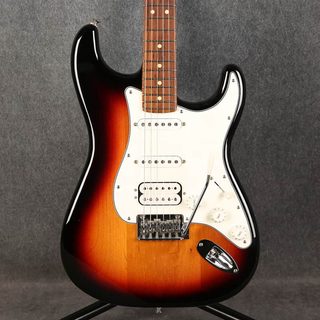
Fender Player Stratocaster HSS — 3-Color Sunburst
$599.994m on Gear Scout
Found at 2:14:38pm
New listing Fender Player Stratocaster HSS — 3-Color Sunburst
$599.99Listed 2m ago
Found at 2:17:03pm
145 seconds later
InTuneDeals
Gear Scout
145
seconds faster
Gear Scout
2:14:38pm
eBay search
2:17:03pm
Buy the best deals before your competition even sees them.
60 of 7,001· updating 24/7


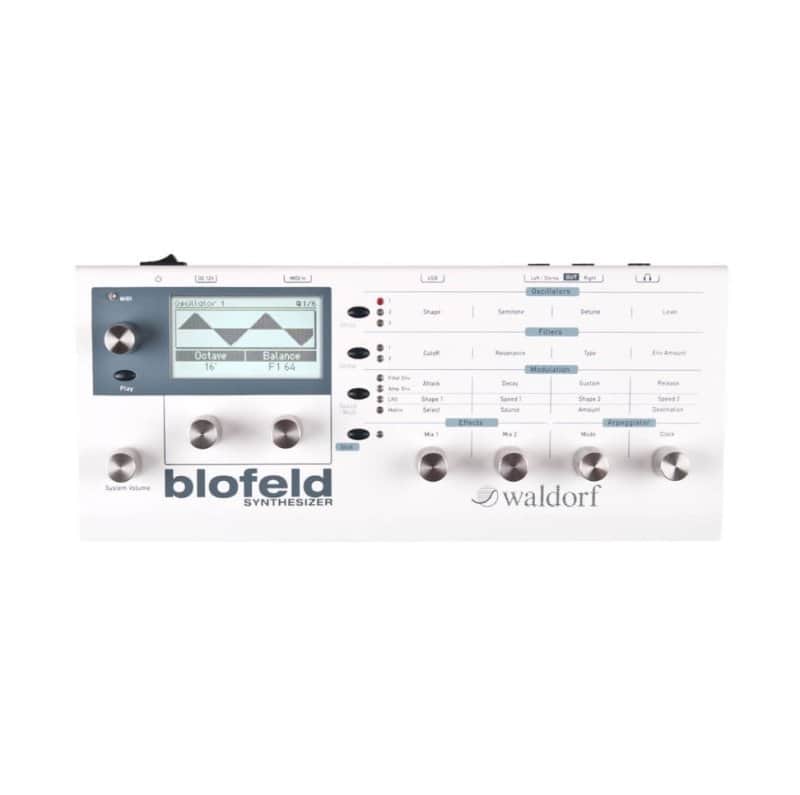


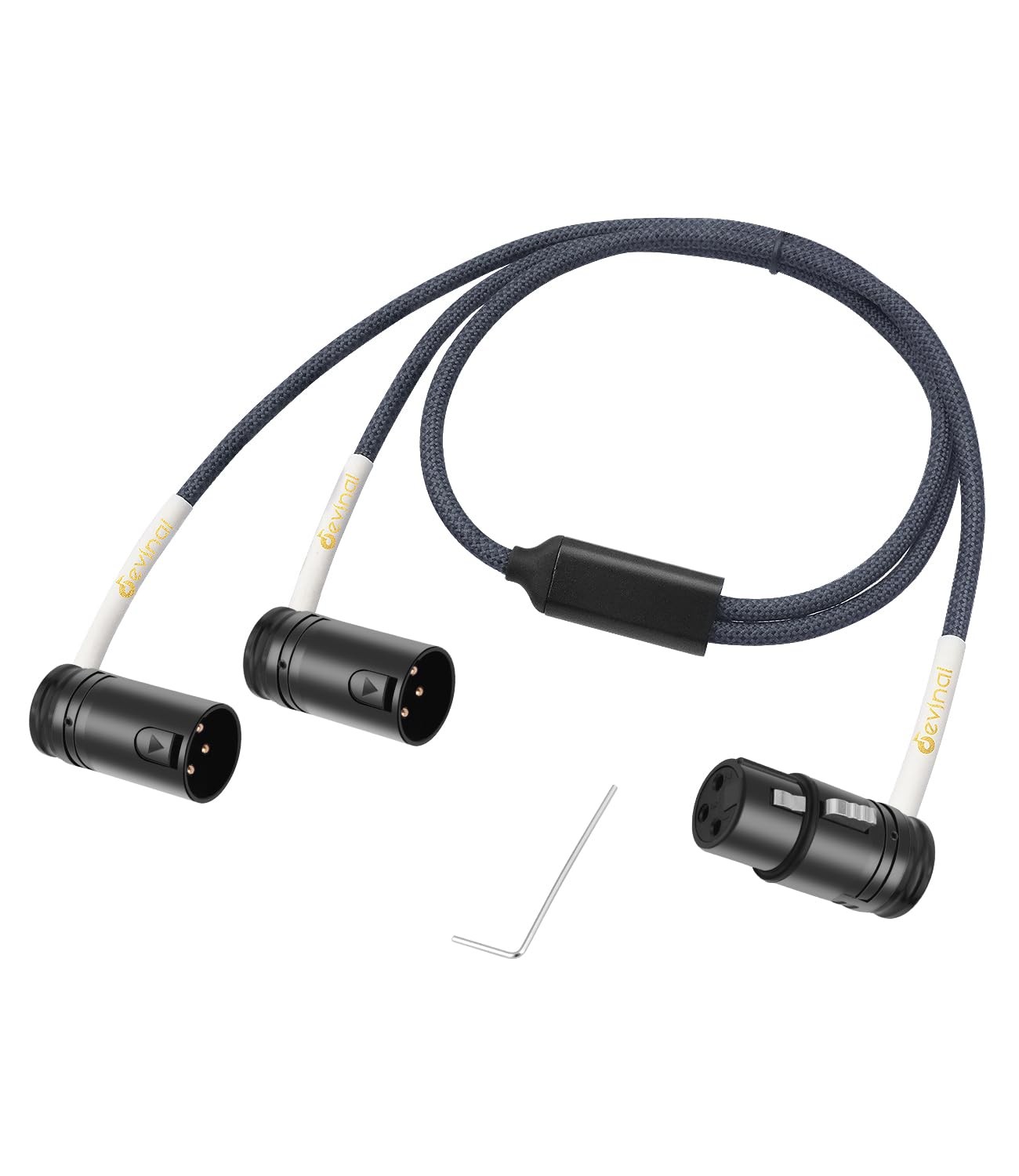



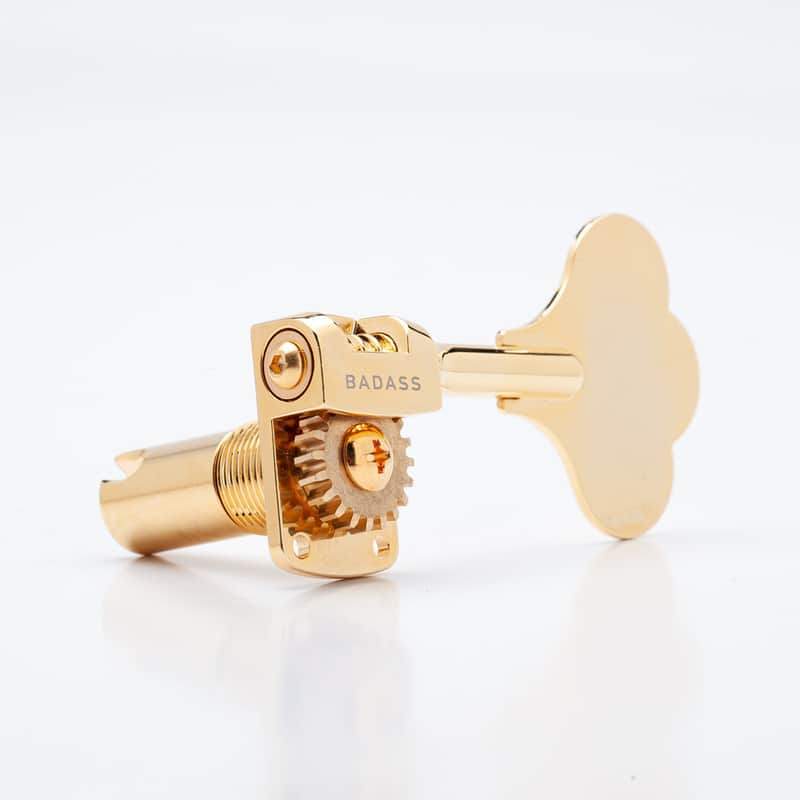

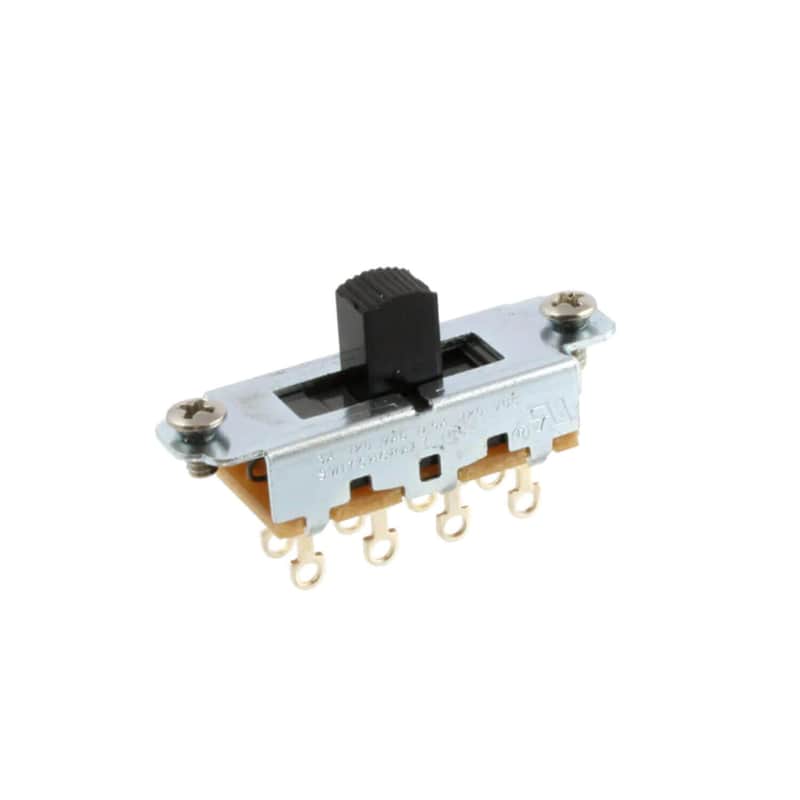


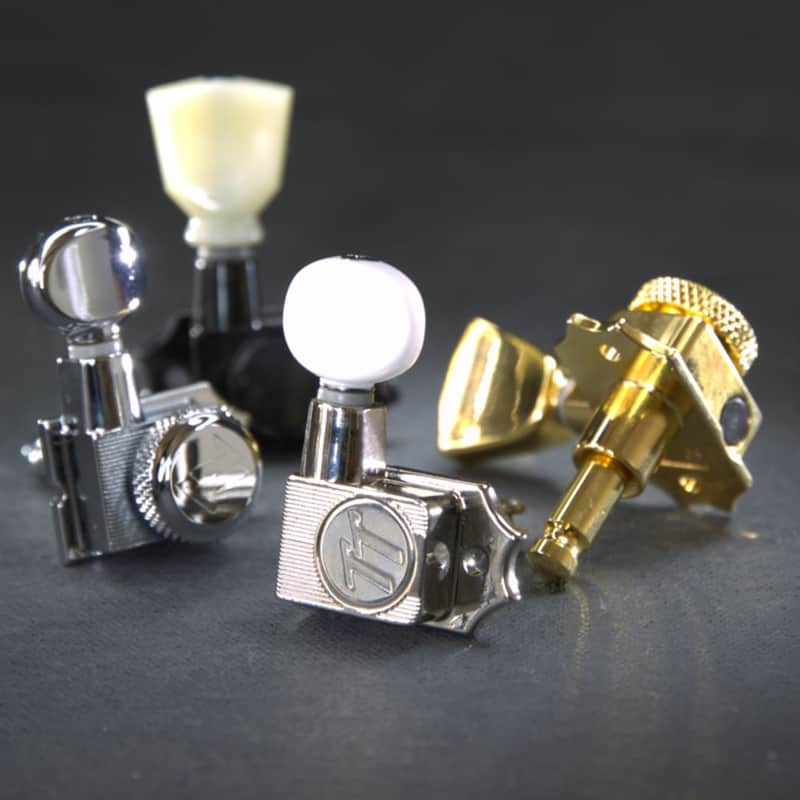

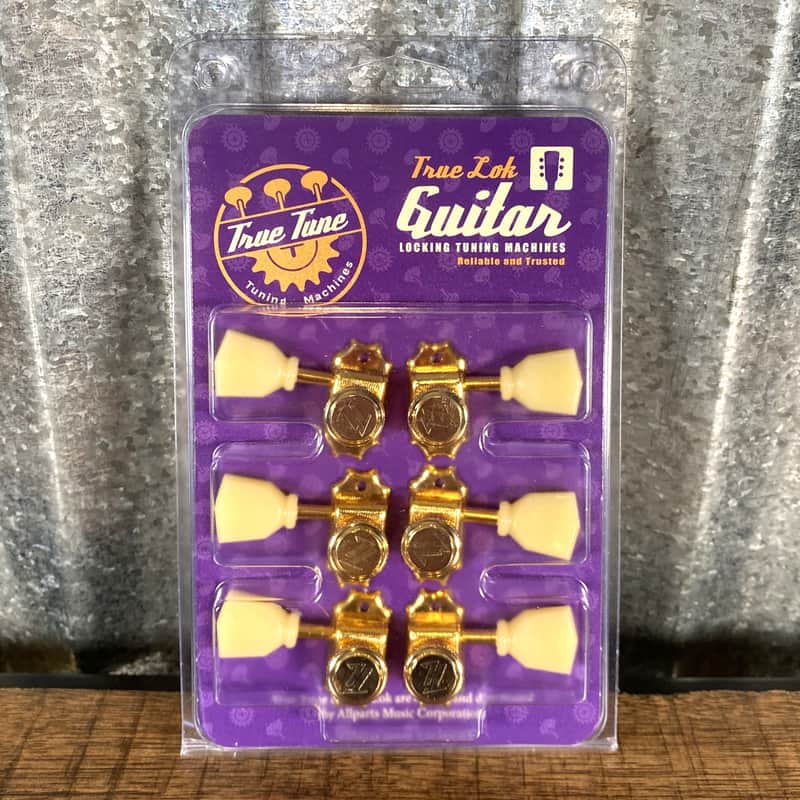


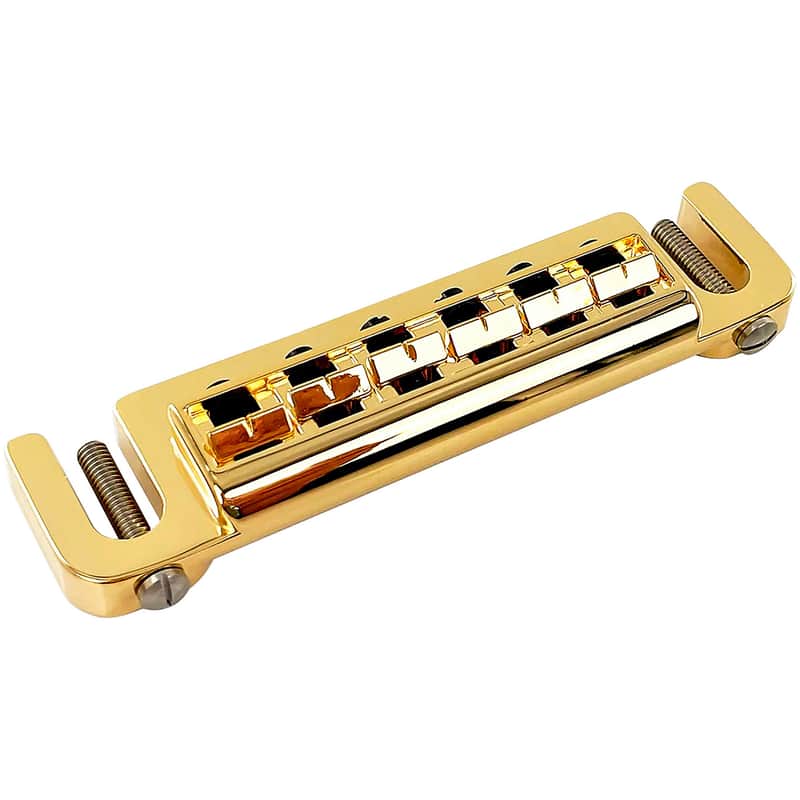

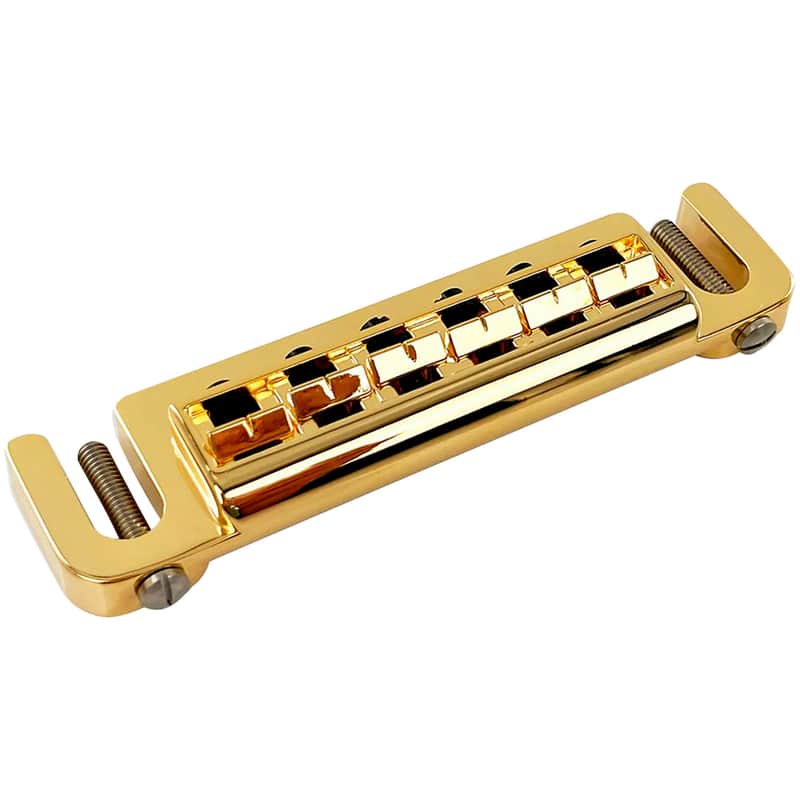

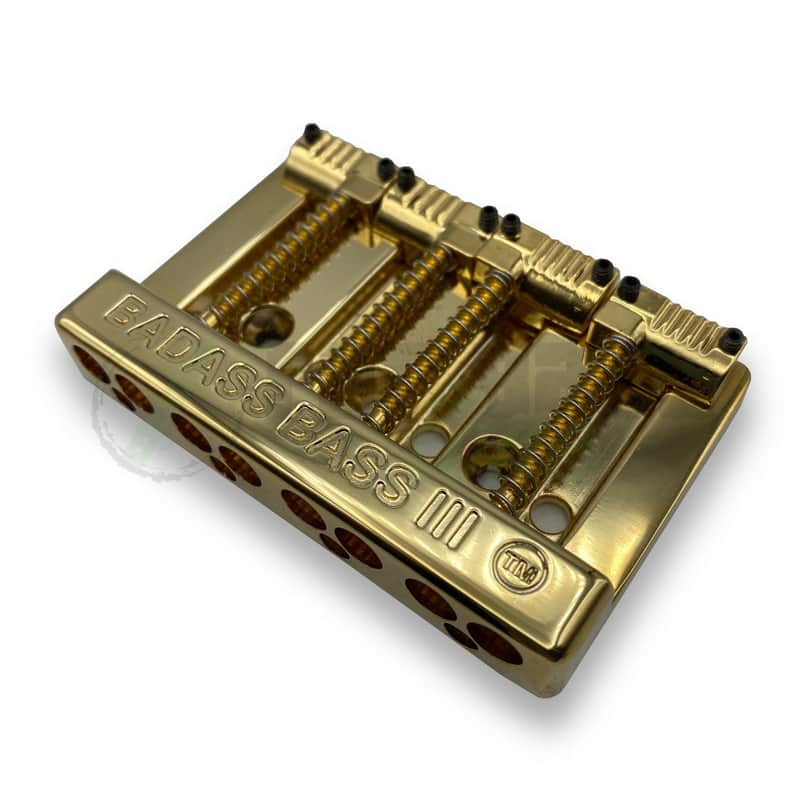
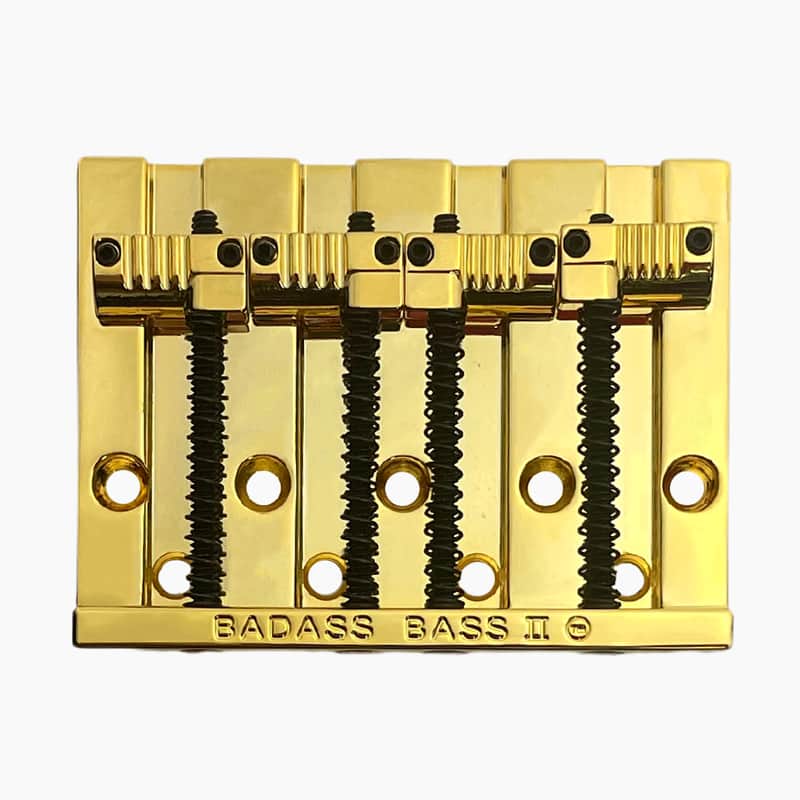







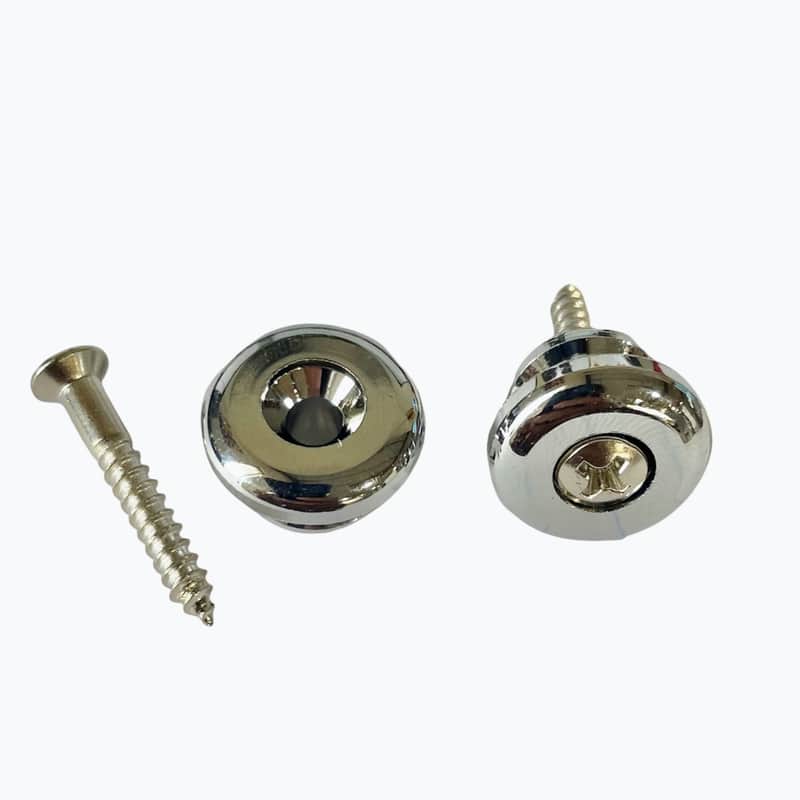

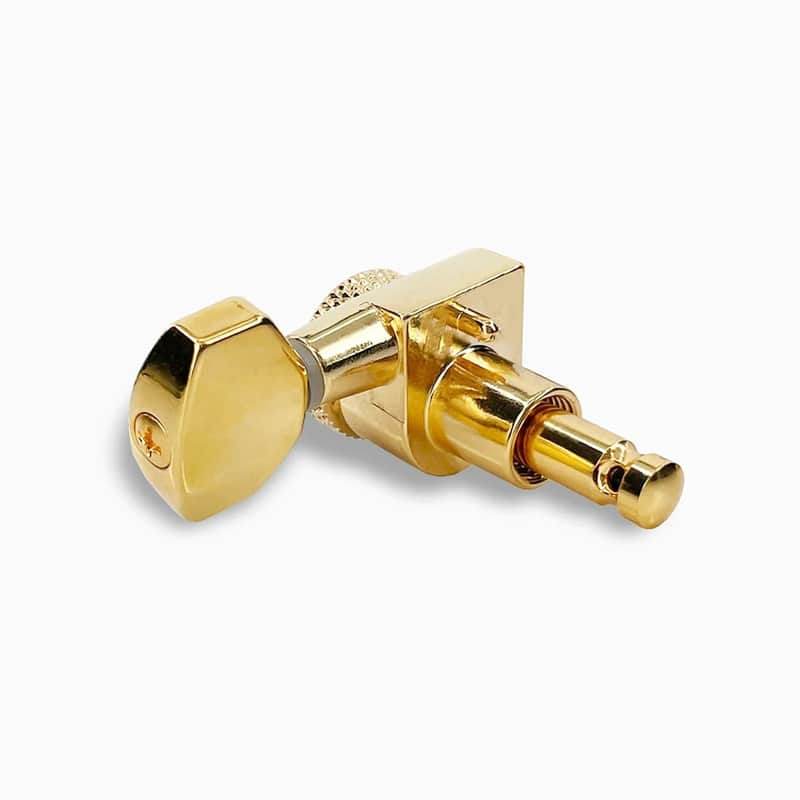


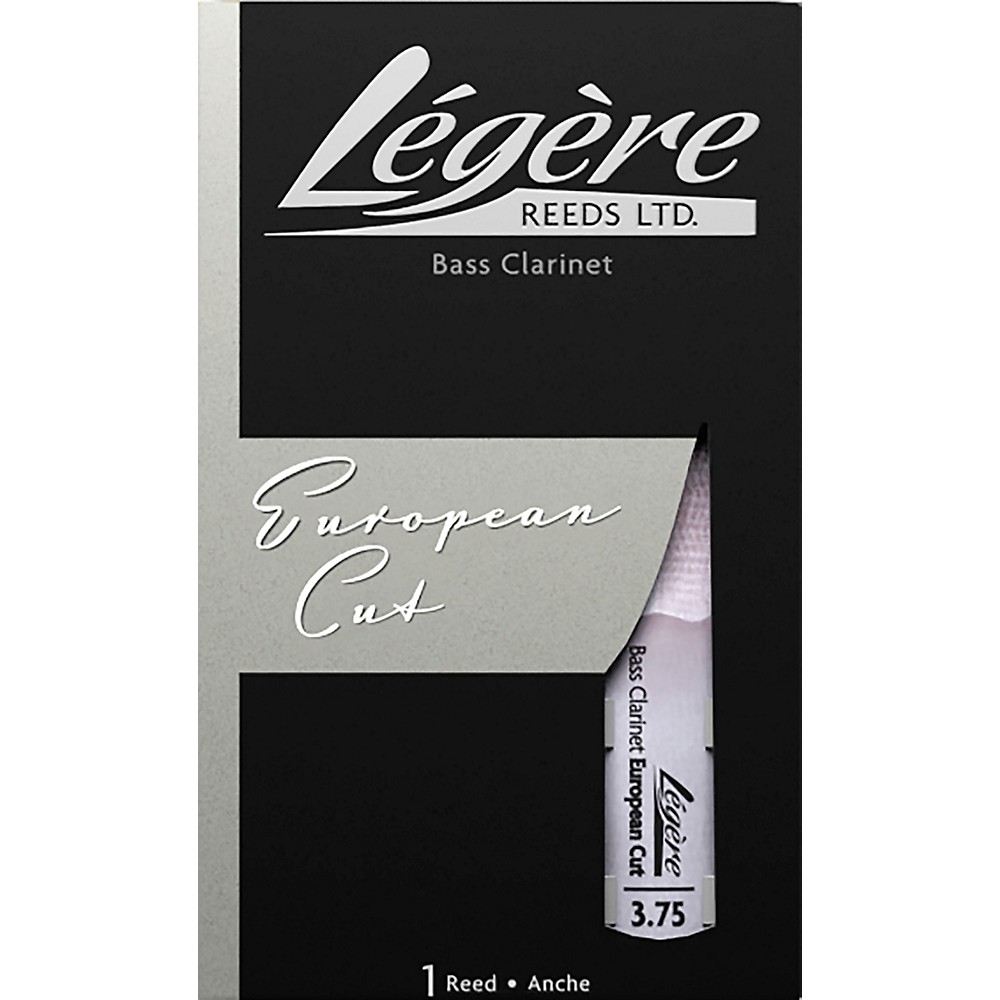

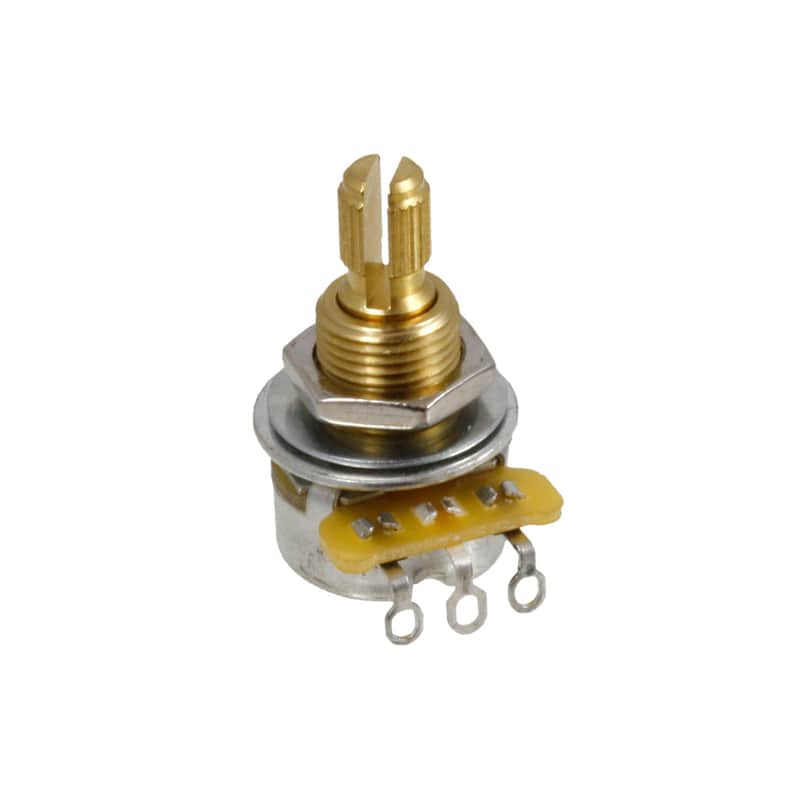

InTuneDeals has always watched the retailers — the price drops that happen when a store decides to mark something down. Gear Scout watches the other half of the market: the one where the price is set by whoever happens to be selling, at whatever they happen to think it is worth that afternoon.
That market is far less efficient, and that is the whole point. A retailer never accidentally prices a vintage tube amp at a third of what it is worth. A seller clearing out a garage does it every day of the week. The catch is that those listings are found within the hour, and usually not by you.
Gear Scout is the scanner that closes that gap. It reads new marketplace listings as they post, checks each one against what that gear has recently sold for, and surfaces the ones priced well under their own market — while they are still available.
A new listing is buyable the moment a seller posts it — but marketplace search cannot find it yet. On eBay that gap runs two to three minutes, and on Reverb it can be longer. Refreshing the newly-listed page does not help: it is fed by the same delayed index.
We read both marketplaces at the source, as listings are created, instead of waiting for search to catch up. Most gear lands here within a couple of minutes of going live, and the quickest inside thirty seconds.
For those first minutes the item is live, buyable, and invisible to everyone searching the marketplace. Instead of competing with every buyer on eBay, you are competing with the people on this page.
The window between a listing going live and the market finding it is where the real prices are. That window is minutes, which is why it takes a scanner rather than a browser tab.
Priced below what the same model has recently sold for, with the comparison shown, so you can judge the call rather than take it on faith.
Buy-it-now set at a fraction of market, a misspelt model name nobody is searching, an auction with no bids and an hour to run — the listings that are cheap because they are hard to find.
The gap between the asking price and the going rate, stated in dollars, so a flip is a number you can check rather than a hunch you have to trust.
eBay and Reverb first: between them they carry most of the second-hand instrument trade, and both move quickly enough that being early is worth something. More sources will follow, chosen the same way we choose retailers — a source earns its place by having listings worth catching, not by being easy to read.
As with everything else here, we are independent of every marketplace named. Gear Scout will never rank a listing higher because of who is hosting it.
The feed above is live: these are real listings, read as they post. What is not built yet is the second half — the comparison against recent sold prices that turns “new” into “underpriced”. Until that lands, treat this as a fast view of what is arriving, not a verdict on what it is worth.
Listings are kept for two days and then dropped. That is deliberate: a marketplace listing that old has usually sold, and showing a dead price is worse than showing nothing.
If there is gear you would want it watching first, or a marketplace you think we are wrong to leave out, tell us — jstanton812@gmail.com.